


Water in its various forms can have a wide range of adverse effects on the performance and reliability of an LED display. Moisture can lead to abnormal luminous LED pixel columns, dead pixels, dark patches, short circuits, and long-term corrosion inside the screen. If you have invested in an LED display, humidity control should be part of your maintenance plan from the beginning, whether the screen is installed in an indoor swimming pool, a humid lobby, a basement, or an outdoor advertising location.
The good news is that LED display moisture damage can be reduced with the right combination of protective technology and daily habits. Nano-Coating Craftsmanship, intelligent dehumidification, ventilation, proper installation, and routine inspection all work together to keep the display dry, stable, and bright.
What You'll Learn
1. Why humidity is dangerous for LED displays
2. How Nano-Coating Craftsmanship protects the LED panel
3. How Intelligent Current-Gain Dehumidification removes moisture
4. Practical moisture-proof tips for indoor and outdoor screens
Why Is Humidity Dangerous for LED Displays?
The critical parts of an LED display, such as LED lamps, driver ICs, solder joints, copper traces, and PCBA components, are sensitive to moisture. When water vapor enters the display, it can trigger corrosion, oxidation, electrochemical migration, and short-circuit fault conditions. Over time, these issues may appear as abnormal luminous pixels, adjacent LED lamp failure, dead pixels, flickering modules, color shifts, or dark areas on the screen.
One common moisture-related failure is the so-called LED caterpillar effect: a string of adjacent LED lamps goes dark or behaves abnormally, making the affected area look like a crawling line on the display. This often appears during wet weather, high relative humidity, or after the LED video wall has been unused for a long period of time.

The difficult part is that moisture damage is often invisible at first. By the time a module flickers or dead pixels appear, internal corrosion may already have spread. That is why prevention is always better than repair.
The Core Solution: Nano-Coating Craftsmanship
Nano-Coating Craftsmanship is one of Esdlumen's cutting-edge and pioneering technologies for LED display moisture protection. It is designed to stop moisture before it reaches the lamps and electronic components on the PCBA board.
How Does Nano-Coating Work?
In a vacuum plasma environment, advanced nanopolymer materials gather and bond to form a dense protective coating on the surface of the LED panel. The film covers the lamps and components on the PCBA board, creating a thin but effective moisture barrier. This protective layer brings strong hydrophobicity, so water beads up and rolls away instead of soaking into the display.
Because the coating is ultra-thin and uniform, it does not add noticeable weight, affect brightness, change color performance, or reduce the viewing angle. It also helps improve splash resistance, salt spray resistance, and general reliability in humid use environments.
Why Nano-Coating Is Different from Traditional Protection
Traditional waterproofing methods, such as potting, glue, edge sealing, or gaskets, usually protect only the surface, edges, or cabinet seams. They can also add weight, trap heat, or leave small gaps. Nano-coating takes a component-level approach, covering the sensitive areas more evenly while keeping the display lightweight and easy to maintain.
| Protection Method | Coverage | Weight Added | Heat Impact | Moisture Defense |
|---|---|---|---|---|
| Traditional potting / glue | Surface only | High | Can trap heat | Moderate |
| Basic sealing / gaskets | Edges and cabinet seams | Low | Minimal | Moderate |
| Nano-Coating Craftsmanship | Lamps and PCBA components | Negligible | Minimal | Excellent |
Smart Backup: Intelligent Current-Gain Dehumidification Technology
Aside from the protection of Nano-Coating Craftsmanship, Esdlumen Intelligent Current-Gain Dehumidification Technology can help remove moisture during daily use of LED screens. It is especially useful when an LED video wall has been left unused in a damp environment or when humidity remains high for several days.
The system includes three dehumidification modes, selected according to environmental measurements and the unused duration of the LED wall. The current-gain dehumidification program can run automatically or manually, gently increasing current to generate controlled internal heat. This helps evaporate trapped moisture without disassembling the display.

Practical Moisture-Proof Tips You Can Use Today
For Indoor LED Display Panels
Indoor does not always mean dry. Spaces such as indoor swimming pools, spas, gyms, lobbies, basements, and rooms near cold exterior walls can hold high humidity or create condensation.
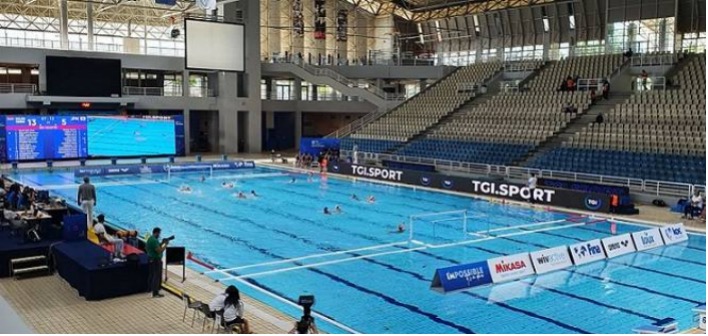
1. Maintain adequate ventilation in rooms with relatively high humidity.
2. Use air conditioning, dehumidifiers, or desiccants when the relative humidity becomes too high.
3. Keep your Indoor LED Display powered on for more than 2 hours per day when ambient humidity is 10% to 85% RH. The gentle heat from operation helps drive moisture out.
4. Avoid splashing water onto the screen. If the display gets wet, dry it carefully, wait before powering it on, and allow the screen to warm up gradually.
5. Avoid installing indoor screens directly against cold exterior walls where condensation can form.
For Outdoor LED Signage
Outdoor LED signage faces rain, fog, wind, temperature swings, and long periods of high humidity. Moisture protection should be considered during both product selection and installation.
1. Add sensors. Equip outdoor LED display panels with temperature and humidity sensors to monitor the environment around the screen in real time.
2. Seal the installation carefully. Waterproof treatment between modules, cabinets, and connection points should be completed properly during installation to prevent water from entering the cabinet.
3. Inspect regularly. After the Outdoor LED Signage has been installed and used, check often for water ingress, seepage, or condensation inside the housing.
4. Choose the right IP rating. For outdoor use, IP65 or higher is usually recommended because it protects against dust and water jets from any direction.
5. Run the display regularly. Keeping the LED display on for more than 2 hours per day can help prevent moisture from settling inside the screen.
Choosing the Right Display for Humid Environments
Not every project faces the same level of moisture exposure, so the right LED display should match the installation environment. For demanding outdoor installations, rugged products such as the Shine Pro Series and the outdoor E-Swan Series are designed for stable performance in challenging weather.
For indoor commercial and rental applications, Rental LED Display and Commercial LED Display solutions can be paired with nano-coating, proper ventilation, and dehumidification maintenance to improve long-term reliability. You can also explore real-world case studies or use the LED wall calculator to plan a suitable display size for your space.
Frequently Asked Questions (FAQ)
What humidity level is safe for an LED display?
Many LED displays can operate within 10% to 85% relative humidity, but condensation is the real danger. If warm, moist air meets a cold screen, water droplets may form inside or on the surface of the display. In humid conditions, regular operation and dehumidification help reduce this risk.
Can humidity damage indoor LED displays too?
Yes. Indoor LED displays can still suffer moisture damage in swimming pools, gyms, spas, basements, and poorly ventilated rooms. Indoor screens benefit from ventilation, dehumidifiers, regular operation, and moisture-resistant LED display technology.
Is nano-coating the same as full waterproofing?
Nano-coating improves the hydrophobic and moisture-resistant performance of the LED panel. For complete outdoor weather protection, it should work together with sealed cabinets, proper installation, waterproof connectors, and the correct IP rating.
How do I remove moisture that is already inside an LED screen?
The safest method is gradual heating. Esdlumen Intelligent Current-Gain Dehumidification Technology can run automatically or manually to evaporate trapped moisture. If heavy condensation is visible, avoid jumping straight to full brightness; let the display warm up gradually.
Does running my LED display every day really help?
Yes. Operating the display creates mild internal heat, which helps push moisture out and prevents it from settling on electronic components. In humid environments, keeping the display on for more than 2 hours per day is a simple and useful maintenance habit.
What IP rating do I need for outdoor LED signage?
For outdoor LED signage, IP65 or higher is commonly recommended. The first digit protects against dust, and the second digit protects against water. Coastal, rainy, or extremely wet locations may require a higher level of protection.
Final Thoughts
Protecting your LED display from humidity depends on both product technology and routine maintenance. Nano-Coating Craftsmanship protects sensitive LED lamps and PCBA components, while Intelligent Current-Gain Dehumidification helps remove moisture during daily use. Add good ventilation, correct installation, regular inspection, and proper IP-rated outdoor products, and your LED display can stay bright and dependable for years.
We hope to share more quality-guaranteed and improved Esdlumen LED display technologies with you in the future. For more information, please contact the Esdlumen team.


